
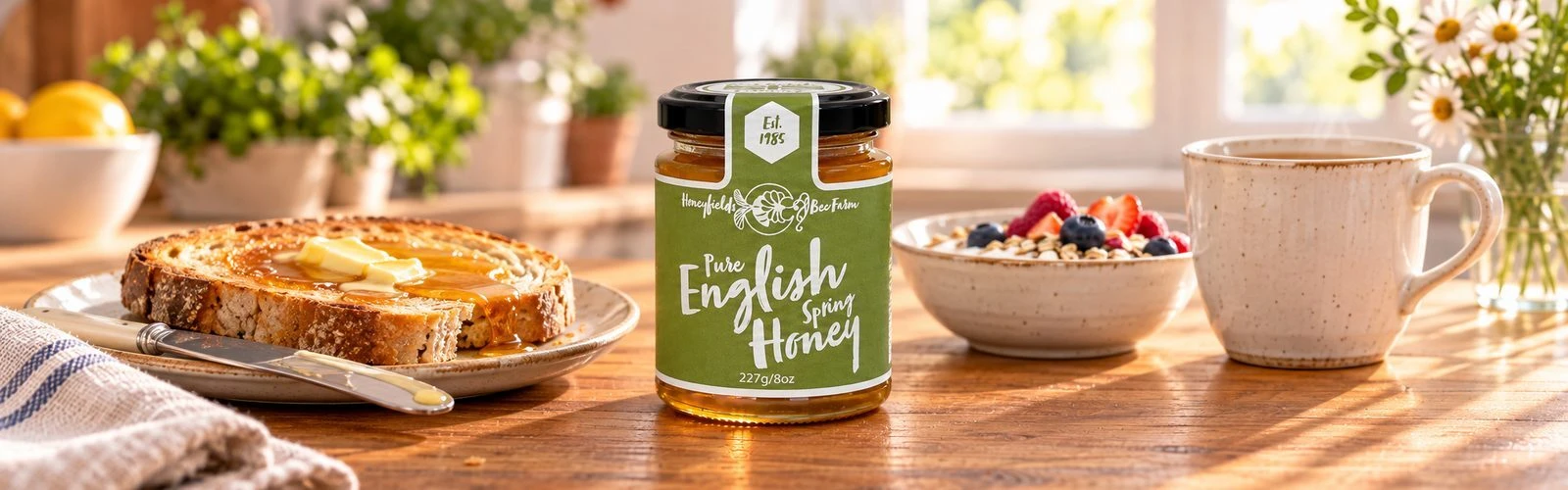
English Spring Honey
Our English Spring Honey is produced by our own bees across the Warwickshire, Leicestershire, and West Midlands countryside. Harvested in late spring, this honey reflects the delicate flavours of early-season blossoms, offering a light, mild floral taste with a smooth finish.
Read more about our award-winning spring honey
Our Pure English Spring Honey was recognised at the Great Taste Awards in both 2023 and 2024, receiving a 1-Star Award for its delicious flavour and smooth texture. With its subtle sweetness, this honey is ideal for everyday use, whether drizzled over breakfast porridge, natural yoghurt, or stirred into a warm cup of tea.
Looking for a richer, golden taste? Explore our English Summer Honey, or try our spreadable English Soft Set Honey. Learn more about our harvesting and beekeeping methods by visiting our English Honey FAQ page.
Filter By
Products List
- Product
- Qty in Cart
- Quantity
- Price
- Subtotal
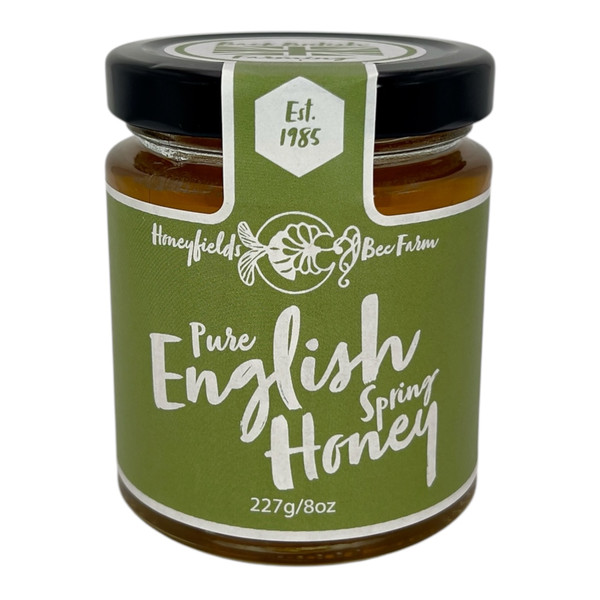

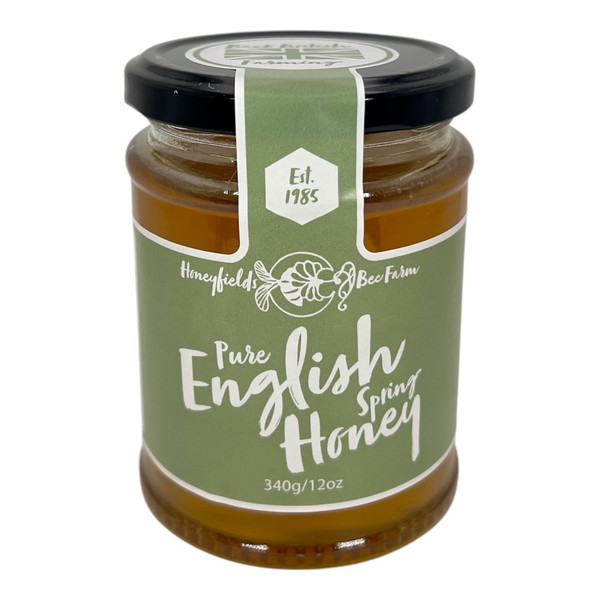


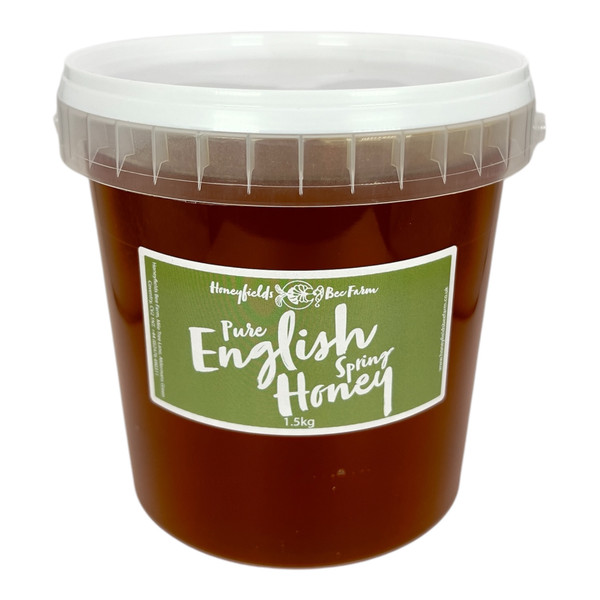

The Character of English Spring Honey
Extracted from our hives in late spring, our English Spring Honey represents our first major harvest of the year across Warwickshire, Leicestershire, and the West Midlands. Celebrated for its pale colour, smooth consistency, and mild floral profile, it offers a fresh, gentle sweetness.
Early Season British Forage
The delicate flavour of spring honey is shaped by early blooms across the countryside:
- Meadow & Farmland Forage: Gathered from brassica crops, dandelions, and field beans, providing natural sweetness and body.
- Hedgerows & Orchards: Early nectar from blackthorn, hawthorn, and fruit tree orchards (apple, plum, and cherry) adds delicate floral notes.
- Light & Mild: Lighter and more subtle on the palate than mid-summer honey, making it ideal for everyday sweetening.
- Great Taste Accolade: Recognised with a Great Taste 1-Star Award in both 2023 and 2024 for its fantastic flavour and fine texture.
Why Spring Honey Sets Naturally
How natural sugar balances shape the texture of unpasteurised spring honey:
- High Natural Glucose: Spring blossoms contain naturally higher ratios of glucose to fructose, causing pure spring honey to crystallise more quickly than summer harvests.
- Fine, Pale Crystals: Spring honey typically sets into a fine, smooth micro-crystal structure, turning from pale straw to an off-white, pearl-like colour.
- Gently Handled: Warmed gently and coarsely strained to leave its natural pollens and character intact.
- Easy to Reliquefy: If your honey sets and you prefer it liquid, place the glass jar in a bowl of warm water (under 40°C) until clear again.
Comparing Seasons & Serving Ideas
Spring Honey vs. Summer Honey
How our two main seasonal harvests compare:
- Colour: Spring honey is pale straw when liquid and sets to an off-white shade; Summer Honey is a warm, translucent golden amber.
- Taste: Spring offers a mild, delicate floral flavour; Summer delivers a fuller, rounded wildflower taste with mild caramel notes.
- Texture: Spring sets naturally into a spreadable consistency; Summer remains liquid and runny for much longer.
- Best Choice: Choose Spring Honey for gentle sweetening and smooth spreading; choose Summer Honey for classic, bold pouring sweetness.
Everyday Kitchen & Table Pairings
The subtle floral notes of spring honey make it versatile across everyday cooking:
- Breakfast Favourites: Drizzled over warm morning porridge, overnight oats, natural Greek yoghurt, or thick sourdough toast.
- Delicate Teas: Complements green, chamomile, and white teas without overpowering the subtle flavour of the tea leaves.
- Cheese Pairings: Pairs naturally with fresh, tangy cheeses such as English goat's cheese, ricotta, or creamy brie.
- Light Vinaigrettes: Whisked with cold-pressed rapeseed oil and lemon juice for fresh green summer salads.
Frequently Asked Questions About English Spring Honey
Find answers regarding early-season blossoms, crystallisation, and storage:
What flowers do bees forage on to produce English Spring Honey?
Our bees forage on early blooms across the Warwickshire and Midlands countryside, including dandelions, hawthorn, blackthorn, field beans, brassica crops, and fruit orchard blossoms (apple, plum, and cherry). These early blossoms give our spring harvest its light, mild, and delicate floral flavour.
Why is Spring Honey paler than Summer Honey?
The colour of honey reflects the plant nectar gathered by the bees. Early-season flowers produce nectar with lower natural mineral and pigment levels, resulting in a pale straw colour when liquid. Furthermore, as spring honey sets, its fine glucose crystals scatter light, giving the honey an off-white, pearl-like appearance.
Why does Spring Honey set or go solid relatively quickly?
Natural honey consists mainly of glucose and fructose sugars. Spring nectar naturally contains a higher ratio of glucose to fructose compared to mid-summer wildflower honey. Glucose crystallises more readily, causing unpasteurised spring honey to set into a smooth, spreadable consistency. It remains completely delicious to eat as a table spread.
How do I make my Spring Honey runny again if it sets?
If you prefer your honey runny, stand the glass jar in a bowl of warm water (under 40°C) and stir gently until the crystals dissolve. We advise against microwaving or using boiling water, as high heat can alter the honey's delicate aroma and natural qualities.
How should I store my Spring Honey?
Store your jar in a dry cupboard at normal room temperature with the lid tightly sealed. Do not keep honey in the refrigerator, as cold temperatures will accelerate natural crystallisation and make the honey firmer to spoon.
Looking for wholesale cases or catering buckets? Explore our bulk honey supply, or contact our apiary team.
Please note: Honey is not suitable for infants under 12 months of age.