What Is Raw Honey? A British Bee Farmer’s Honest Guide
What Is Raw Honey? A British Bee Farmer's Honest Guide
What is raw honey? The short answer
Raw honey is honey that has been kept as close as possible to the way the bees made it. It hasn't been pasteurised, heated beyond gentle warming, or finely filtered, and nothing has been added or taken away.
That sounds simple, but the word "raw" causes a lot of confusion. It isn't defined in UK honey regulations, producers use it in different ways, and some honey labelled "pure" is handled in exactly the same way as honey labelled "raw".
We've been keeping bees at Honeyfields Bee Farm in Warwickshire since 1985, so here's an honest look at what raw honey really means, what the legislation says, what happens to honey between the hive and the jar, and why our own honey, which fits the everyday meaning of raw, says "pure English honey" on the label.
What does "raw" actually mean for honey?
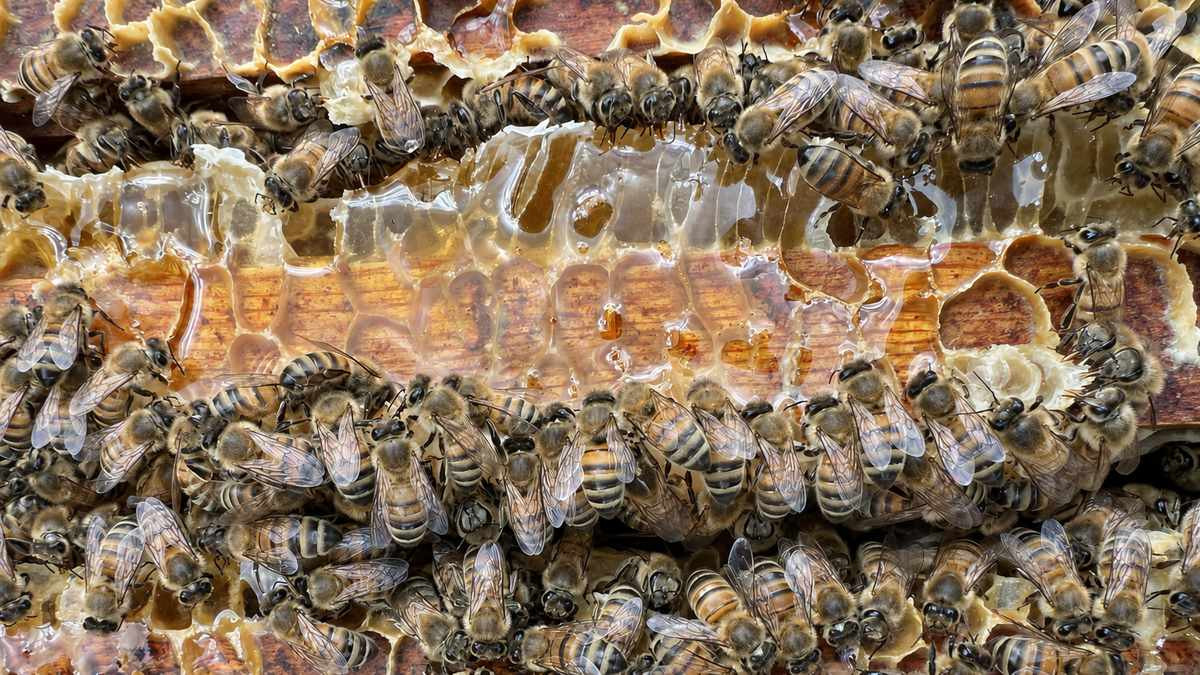
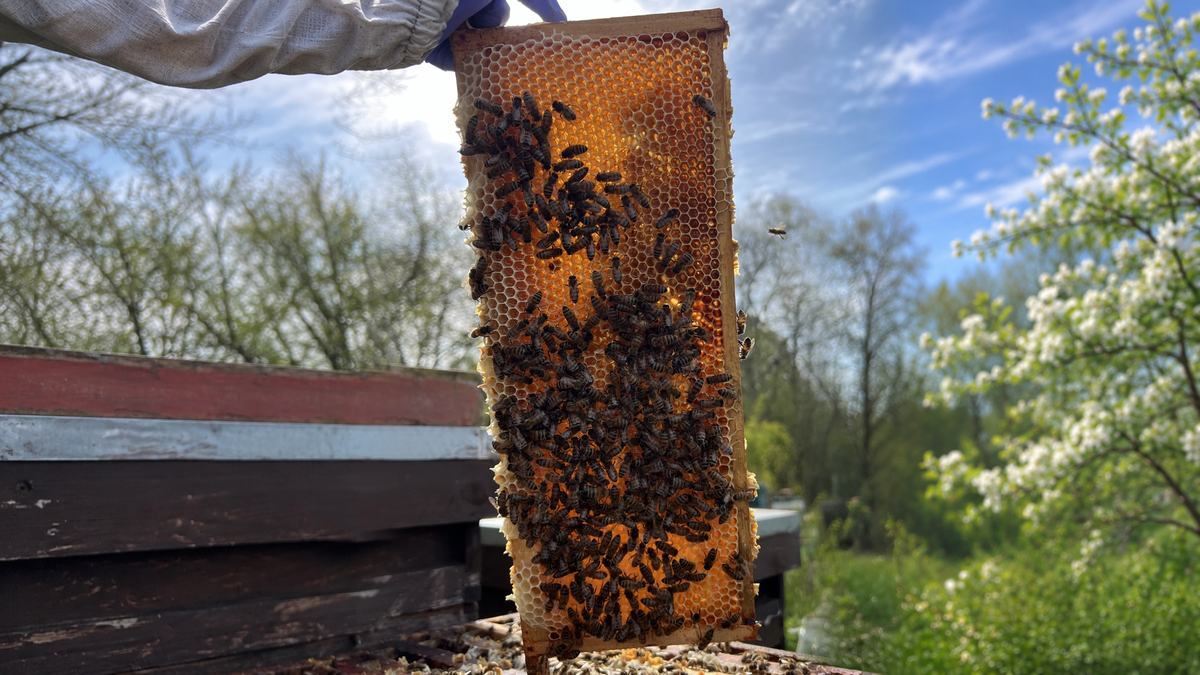
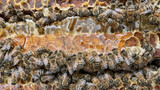
Inside the hive, honey is already a finished food. The bees collect nectar, add their own enzymes, fan away most of the water, and seal the ripe honey under a layer of beeswax.
To get it into a jar, every beekeeper has to do a few things. The wax cappings are removed, the honey is spun out of the comb in an extractor, and it's strained to catch the bits of wax that come with it. Honey is also warmed gently along the way, as it's thick and slow to flow, especially once it starts to set.
So "raw" can't mean nothing has been done to the honey. In everyday use it means the opposite of heavily processed: honey that has only had the handling it genuinely needs, without pasteurisation, prolonged heating or fine filtration.
Is raw honey legally defined in the UK?
No. In England, honey is governed by the Honey (England) Regulations 2015. They set out what can be sold as honey and define types such as blossom honey, comb honey, extracted honey and filtered honey, but there's no category called "raw honey".
What the regulations do say is that nothing may be added to honey, and that pollen and other natural parts of honey mustn't be removed, except where that's unavoidable when straining out wax and other unwanted bits. If honey is filtered so finely that a significant amount of pollen is removed, it must be sold as "filtered honey".
The 2024 "raw honey" case: Because "raw" isn't defined, Trading Standards have challenged it before. In 2021, Waltham Forest Trading Standards told Odysea, a company selling minimally processed Greek honey, to stop calling it raw, arguing that all honey is raw because it's never cooked, so the word suggested something special that wasn't there.
Odysea appealed, and in February 2024 a tribunal ruled in its favour. The judge accepted that "raw" fairly described honey that had been through far less processing than many others. Importantly, though, he didn't set a definition of raw honey, and noted that beyond obvious examples, the line is unclear. You can read the full judgment, Odysea Ltd v London Borough of Waltham Forest [2024] UKFTT 157 (GRC), on the National Archives' Find Case Law service.
So the word can be used truthfully, but there's still no agreed standard for what earns it. That's why we prefer to explain exactly what we do, rather than lean on a label.
How can honey be processed?
Not all honey reaches the shelf the same way. Some mass-produced honey goes through extra steps, usually to make it look uniform and stay runny for longer:
- Heating: Some honey is heated well above hive temperature, sometimes for long periods, so it pours and bottles quickly and stays clear on the shelf for longer. Prolonged or high heat can dull the flavour and aroma and reduce the honey's natural enzymes.
- Fine filtering: Pushing honey through very fine filters removes pollen along with the wax, giving a perfectly clear look. As above, honey filtered this much must be labelled "filtered honey".
- Blending: Honey from many sources, sometimes several countries, can be blended together so that every jar tastes exactly the same.
None of this makes honey unsafe, and some careful warming is part of handling any honey. The difference is in how much is done to it, and how far it drifts from what the bees made.
How we handle our honey, from hive to jar
Here's exactly what happens to Honeyfields honey:
- It starts with the flowers. Real honey begins with nectar, collected by the bees from flowers and slowly turned into honey in the hive. That might sound obvious, but in some parts of the world honey is bulked up with cheap sugar syrup, either fed to the bees or mixed in after harvest, to stretch the crop further. Every drop of our honey is made by bees from flower nectar alone, so what's in the jar is pure honey and nothing else.
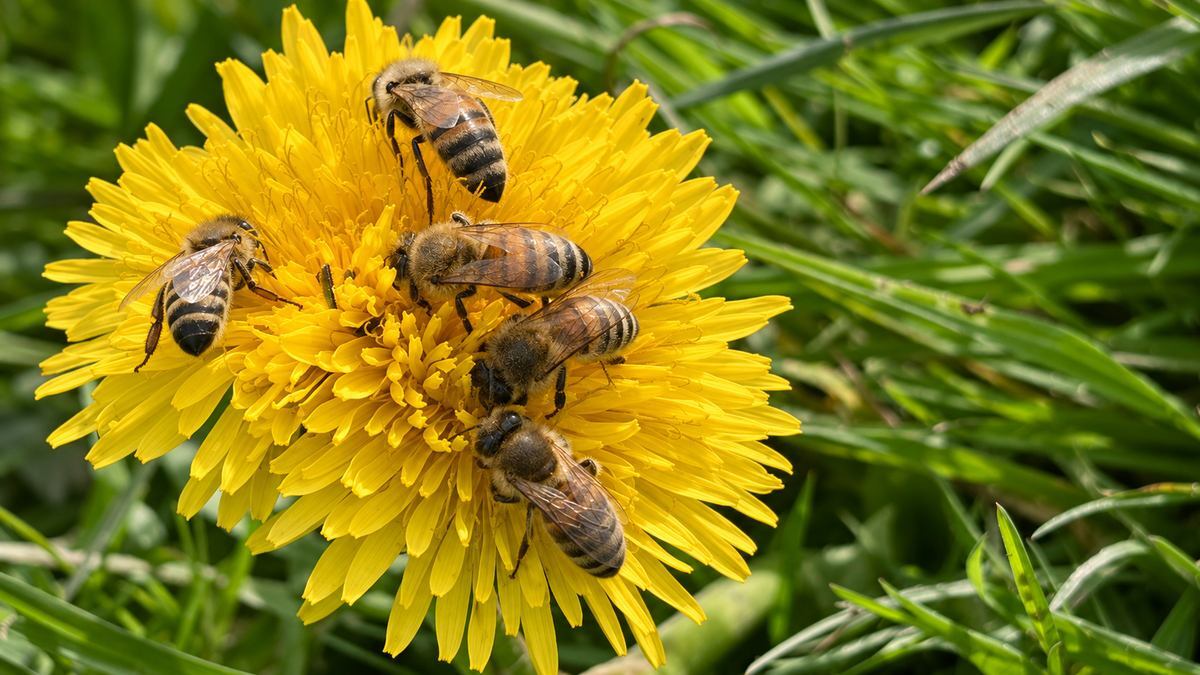
Real honey starts with floral nectar: honey bees foraging on a spring dandelion. - Harvesting. We take supers full of capped honey frames from our own hives across Warwickshire, Leicestershire and the West Midlands.
- Extracting. In our honey house we remove the wax cappings and spin the honey out of the comb. Our fast-setting spring honey is extracted straight away, before it can set in the comb. As it leaves the extractor, the honey runs through a baffle tank, a simple coarse filter that holds back the larger pieces of wax while the honey and its natural pollen flow through. It's then pumped into drums and buckets and stored until it's ready to bottle.
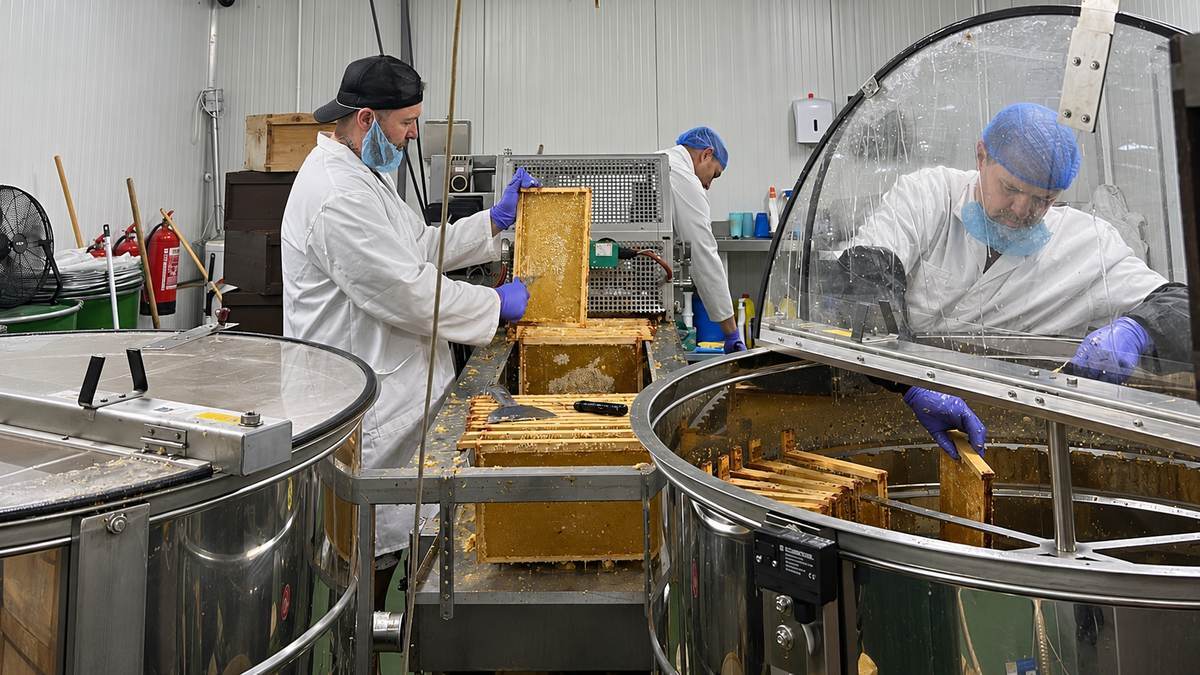
Honeyfields honey extraction team. - Gentle warming for extraction. Like all British bee farmers, we gently warm our honey during extraction. Warm honey flows more freely, which helps it spin out of the frames easily and the delicate wax comb stays intact, ready for the bees to refill in the next season. It also helps the honey flow through the rest of the extraction process. We only warm it as much as it needs, and never pasteurise it.
- Warming for bottling. While it's stored, most English honey sets hard in our drums and buckets. So before it can be strained and bottled, it has to be gently warmed again to bring it back to a runny state. Almost every bee farmer and honey packer does this. It's worth knowing if you buy honey in winter or early spring: the new season's harvest doesn't start until late spring, so honey on the shelf then comes from the previous season and will have been stored for months and gently warmed again before it was bottled.
- Straining. Once it's runny, we coarse strain our honey just before bottling. This catches any tiny bits of beeswax and other debris left over from extraction, while the honey's natural pollen passes through and stays in the jar.
- Bottling. We bottle each honey separately, either by season or by the single crop the bees worked, like borage or heather. Plenty of producers blend everything together into one general honey, and there's nothing wrong with that. We'd just rather let each harvest show its true character, so you can taste the difference between a spring, summer, borage or heather honey. Every jar is pure English honey, with nothing added.
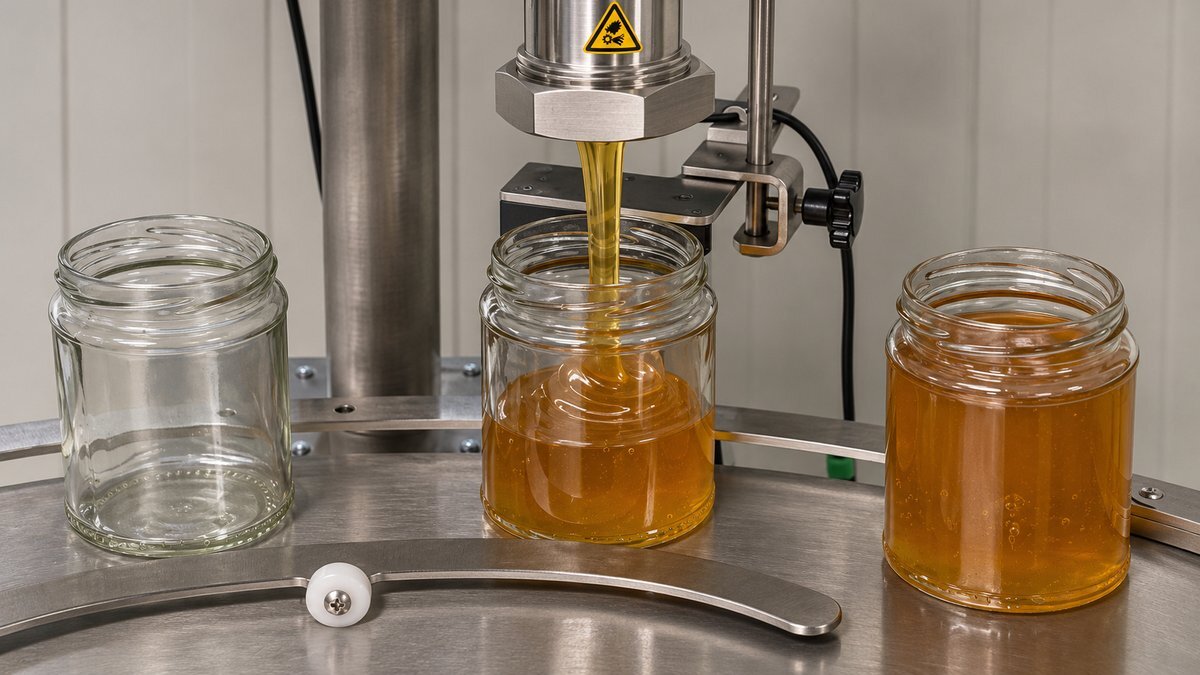
Coarse-strained and bottled in small batches, leaving all natural pollen in the jar.
Our borage and heather honey are produced for us by trusted bee-farming friends, who use a similar extraction process to ours, so they're handled with the same care.
Raw honey vs pure honey: why our label says "pure"
You might wonder why, if our honey fits the description of raw, our jars say "pure English honey" instead.
The honest answer is that "raw" is still a grey area. There's no legal definition, Trading Standards have challenged its use before, and the 2024 ruling didn't settle where the line sits. Rather than build our labels around a word with no agreed meaning, we'd rather tell you plainly what we do and let our honey speak for itself.
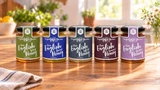
"Pure" is more straightforward. It means the jar contains 100% honey, with nothing added and nothing blended in. For us, "pure English honey" sums up what matters: it's honey, all of it, made by bees in England, and handled as little as possible.
It's worth knowing that neither word tells you everything on its own. Some honey labelled "pure" has been heavily heated and blended, and "raw" can mean different things to different producers. You'll sometimes read that pure honey is honey that's had its pollen filtered out. That isn't how the word works in the UK: honey that has had a significant amount of its pollen removed must, by law, be called "filtered honey". The best guide is always what the producer tells you about how the honey was handled.
Does raw honey crystallise?
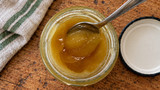
Yes. All honey sets eventually, and lightly processed honey often sets sooner, because the tiny specks of natural pollen give crystals something to form around. How quickly it happens depends mostly on the flowers. In a good oilseed rape year, our spring honey sets within weeks, while in years when the oilseed rape crop is poor, it sets much more slowly. Our summer honey usually stays runny for months, because it comes from a wider mix of summer flowers, giving it less glucose and a different mix of pollen than spring honey. Our borage honey, which is high in fructose, also stays runny for months. And our heather honey is a character all of its own: thick and jelly-like from the moment it's jarred, it usually sets only slowly, over many months.
Setting is completely natural and doesn't mean the honey has gone off. In fact, we set some of our honey on purpose. Using a honey creamer, we gently guide it to set quickly into our soft set honey, which is smooth, creamy and easy to spread. It's one of the most popular ways to enjoy honey, as plenty of people simply prefer the texture. Setting on its own isn't a guarantee that honey is raw, though, as heavily processed honey can set too. Our guide to why honey goes solid explains why it happens and how to make it runny again.
Is raw honey better for you?
You'll see plenty of big claims about raw honey and health. We'd rather be straightforward: raw honey keeps more of what the bees put into it, including natural pollen and enzymes, and many people find it has a fuller, more interesting flavour. Those are good reasons to choose it.
We'll leave the health claims to the scientists. For us, the best reason to choose honey that's been handled gently is simply that it tastes the way the bees intended. Whatever kind of honey it is, raw or not, it should never be given to babies under 12 months old.
How to choose a good jar of honey
Whether or not a label says "raw", these are the things worth looking for:
- A clear origin: Look for where the honey actually comes from. A specific region or named farm tells you far more than a vague mix of countries.
- A named producer: Honey from a beekeeper you can identify, and ideally contact, is honey you can ask questions about.
- A single variety or season: Honeys like spring, summer, heather or borage are usually kept separate, so their character hasn't been blended away.
- Honey that sets naturally: It's not proof on its own, but most lightly handled honey will set in time.
- Taste: Honey that has been handled gently usually has a fuller, more distinctive flavour that changes from season to season.
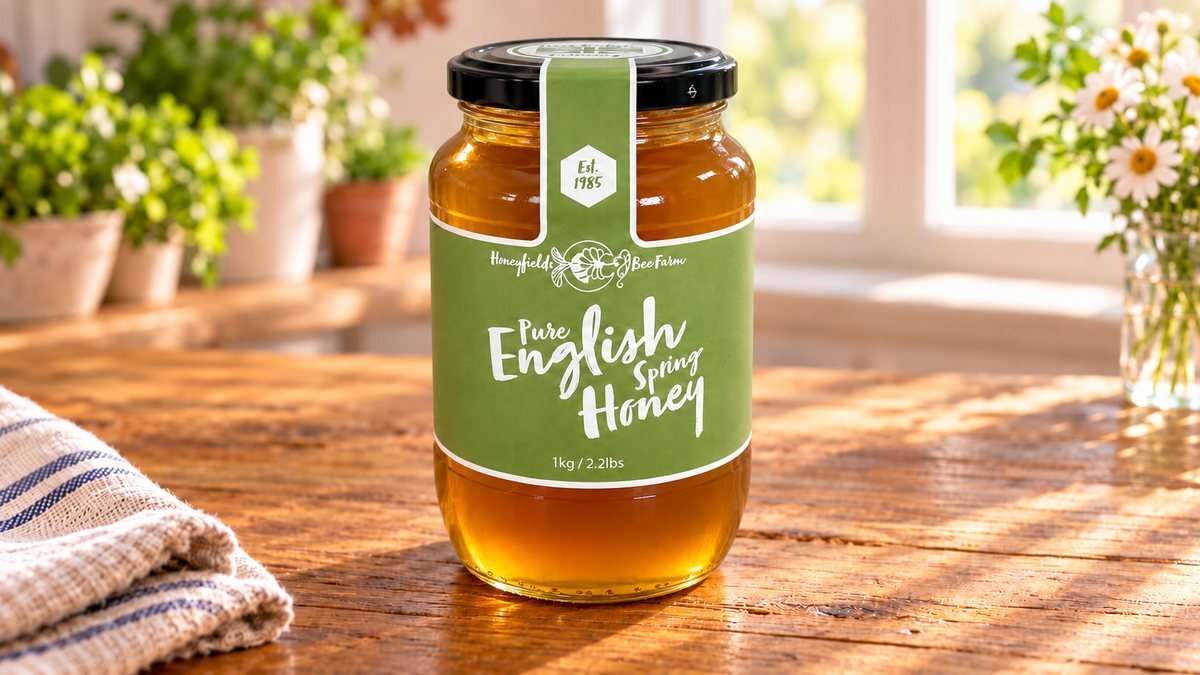
If you're not sure, ask. Any beekeeper proud of their honey will happily tell you how it's handled. If you'd like to compare our seasonal honeys, our guide to English honey varieties walks through each one.
Why buy British honey?
Good honey is made by beekeepers all over the world, and plenty of imported honey is excellent. But there are real reasons to choose honey produced here at home.
You're supporting British beekeepers. Beekeepers and bee farmers across the UK look after colonies whose bees help pollinate the crops, orchards and wildflowers around us. Buying their honey helps keep those businesses, and their bees, going.
You know where it comes from. Honey from a British bee farmer has a short, simple journey: from our hives, to our honey house, to your table. You can see where it was made, who made it and when, and if you have a question, you can ask us.
It's harder to fake honey you can trace. Honey is a common target for food fraud. In 2023, a large EU investigation found that nearly half of honey samples imported into the EU from outside it were suspected of being bulked up with cheap sugar syrups. The longer and more complicated the supply chain, the harder it is to know exactly what's in the jar.
What to look for on the label
By law, every jar of honey sold in England must show the country where the honey was harvested. If it comes from just one country, the label will name it, such as "Product of the UK". Many labels go further and name a region, such as "English honey", "British honey", "Scottish honey" or "Welsh honey". A description like this is only allowed if all the honey in the jar comes from that place, which is why our labels say "pure English honey". But blended honey can simply say something like "blend of EU and non-EU honeys" or "blend of honeys from more than one country", without naming the countries or how much comes from each.
There's nothing illegal about these blends, but they tell you very little about where your honey was made. If you want to know exactly what you're buying, look for a label that names a single country, or better still, a named beekeeper or farm.
Frequently asked questions
Is raw honey pasteurised?
No. Pasteurisation involves heating honey to high temperatures, which is exactly what raw honey avoids. Our honey is never pasteurised.
Isn't all honey raw?
That's the argument Trading Standards made in the 2024 case: honey is never cooked, so it's all "raw". The tribunal disagreed, accepting that "raw" meaningfully describes honey that has been through much less processing than many others.
Is raw honey heated at all?
Usually, yes, gently. Honey is thick and slow to flow, so almost all extracted honey is warmed a little to strain and jar it. The difference is between gentle, controlled warming and prolonged or high heat.
Does raw honey contain pollen?
Yes. Pollen is a natural part of honey, and gentle straining leaves it in. In fact, the law says pollen mustn't be removed from honey unless it's unavoidable when straining out wax and other bits.
Why does raw honey sometimes look cloudy?
Cloudiness usually means the honey is starting to set, or that it contains natural pollen and tiny air bubbles. It's perfectly normal.
Is honeycomb raw honey?
Honeycomb is honey in its least processed form, straight from the hive and still sealed in the wax the bees made, so it's about as raw as honey gets.
Can babies have raw honey?
No. No honey of any kind should be given to babies under 12 months old.
Beekeeping Guides & Practical Advice.
Why Has My Honey Gone Solid? How to Make It Runny Again
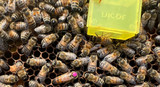
Introducing a Queen Bee - Honeyfields Bee Farm